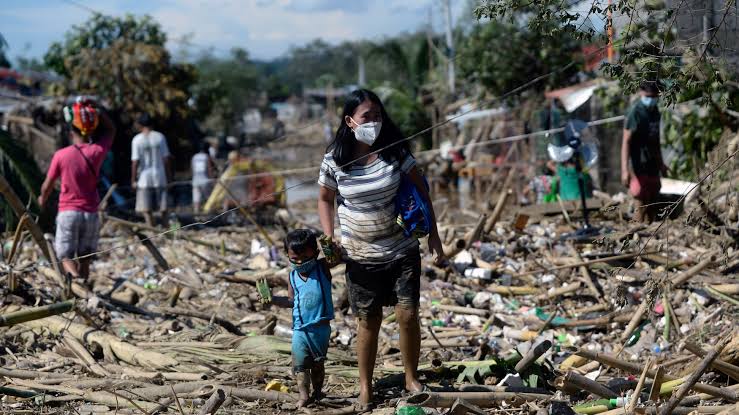
Calamities are significant accidents or unfortunate events that cause harm or suffering to those who are affected. This happens frequently, especially when there are typhoons and other natural risks. Many people suffered and died as a result of this, and some were injured. They also lost all of their stuff, including their homes and clothes. However, some people lose their relatives, while others are unsure how to interact with family members in different locations. Furthermore, our government would want to assist but does not know how to reach out to individuals who are affected. We may now communicate and even get news via social media. However, HOW SOCIAL MEDIA HELP US DURING CALAMITIES?
WHAT IS SOCIAL MEDIA?
Social media is a type of internet-based communication. Users of social networking sites may hold discussions, exchange information, and produce web content. Blogs, micro-blogs, wikis, social networking sites, photo-sharing sites, instant messaging, video-sharing sites, podcasts, widgets, virtual worlds, and other types of social media exist. Social media is used by billions of people across the world to exchange information and build relationships. On a more personal level, social media allows you to contact friends and family, learn new things, pursue interests, and be entertained.
In other words, social media may help us communicate and obtain news or other information over the internet. We can communicate with everyone through this, especially during a disaster or calamity.
HOW SOCIAL MEDIA HELP US DURING CALAMITIES?
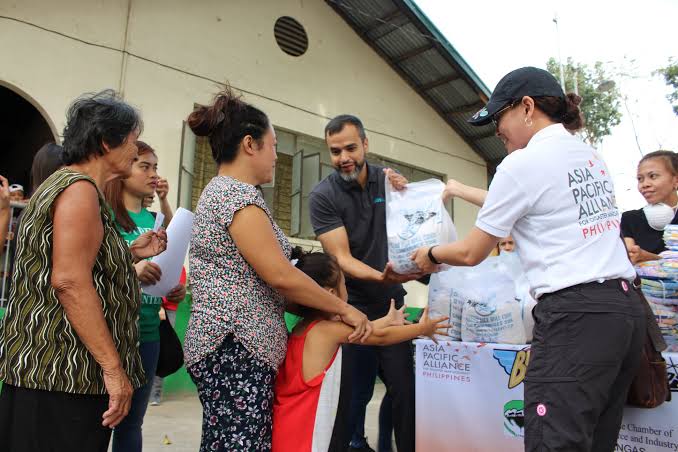
Before, during, and after numerous crises, social media has been utilized to distribute a wide range of public safety information. Many disaster management groups use social media to provide citizens with preparedness and readiness information before a crisis. By collecting comments on public safety-related themes, social media may also be utilized for community outreach and customer service. In the last five years, social media has played a growing role in emergency and disaster response. The fourth most common source of emergency information is social media platforms. Individuals and communities have used them to warn others of dangerous regions or circumstances, to alert friends and family that someone is safe, and to raise donations for disaster assistance. (Bruce R. Lindsay,2011).
In our homes, we use various types of social media to get information from the internet. In this situation, social networking sites may also help us obtain extra information or news. Content-sharing media can help with situational awareness by identifying images or videos of how a crisis is progressing in real-time. It provides information to our families, the government, and social workers on what is going on in our neighborhoods. Social media helps us to watch and examine what is going on throughout the present crises. Social media also contributes to our safety by disseminating information and raising awareness during this difficult period. We may convey information and news to individuals in different locations by using various social networking sites.
Not only can social media allow individuals to engage and communicate in ways that conventional media cannot, but it also helps response groups and victims to contact and communicate with one another when traditional media is unavailable. Some argue that social media may be utilized to strengthen emergency management capacities and that the prospect of such beneficial outcomes justifies the continued use of social media for crises and disasters. Others may be concerned about the spread of misinformation and harmful or dishonest behavior.
 Social Media Help Me
Leave a comment